Which is the best guesthouse on Dhiffushi right now?
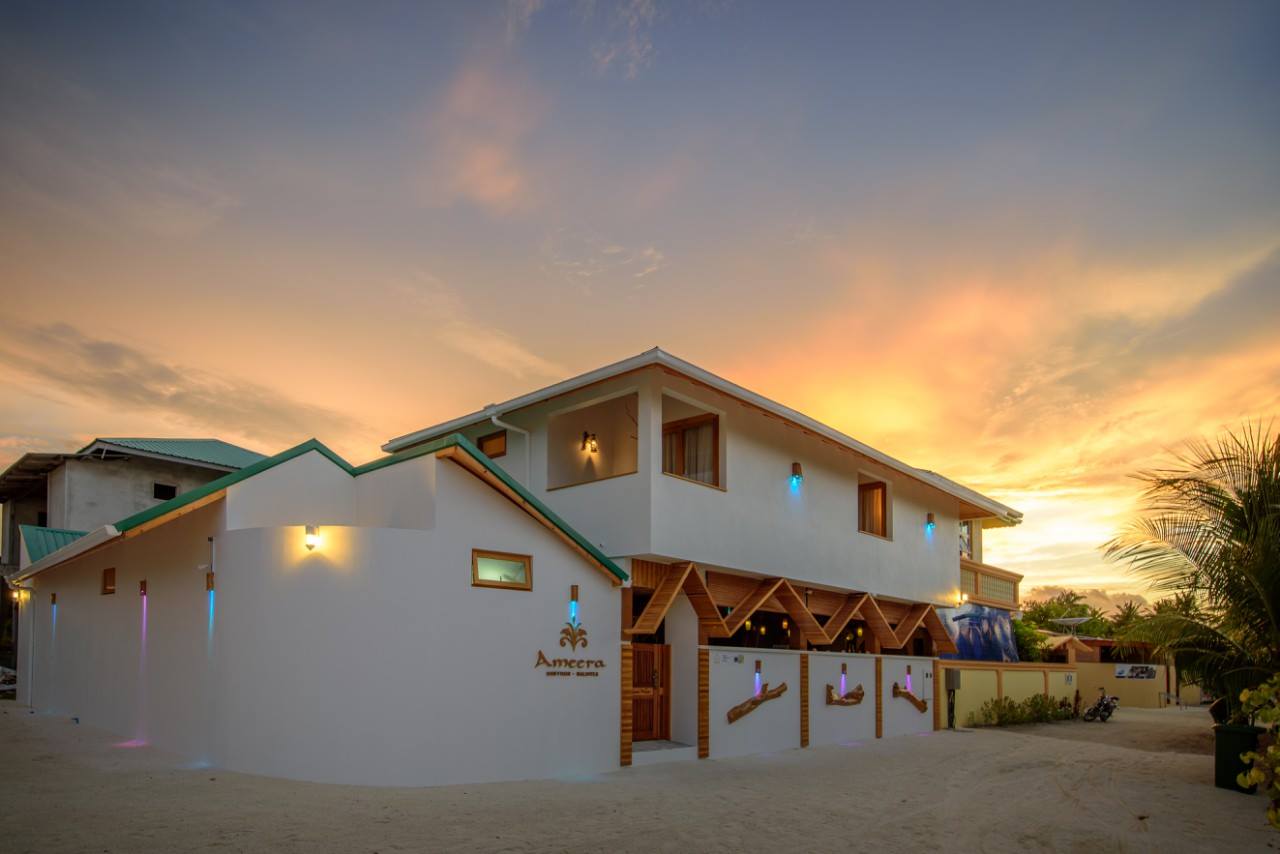
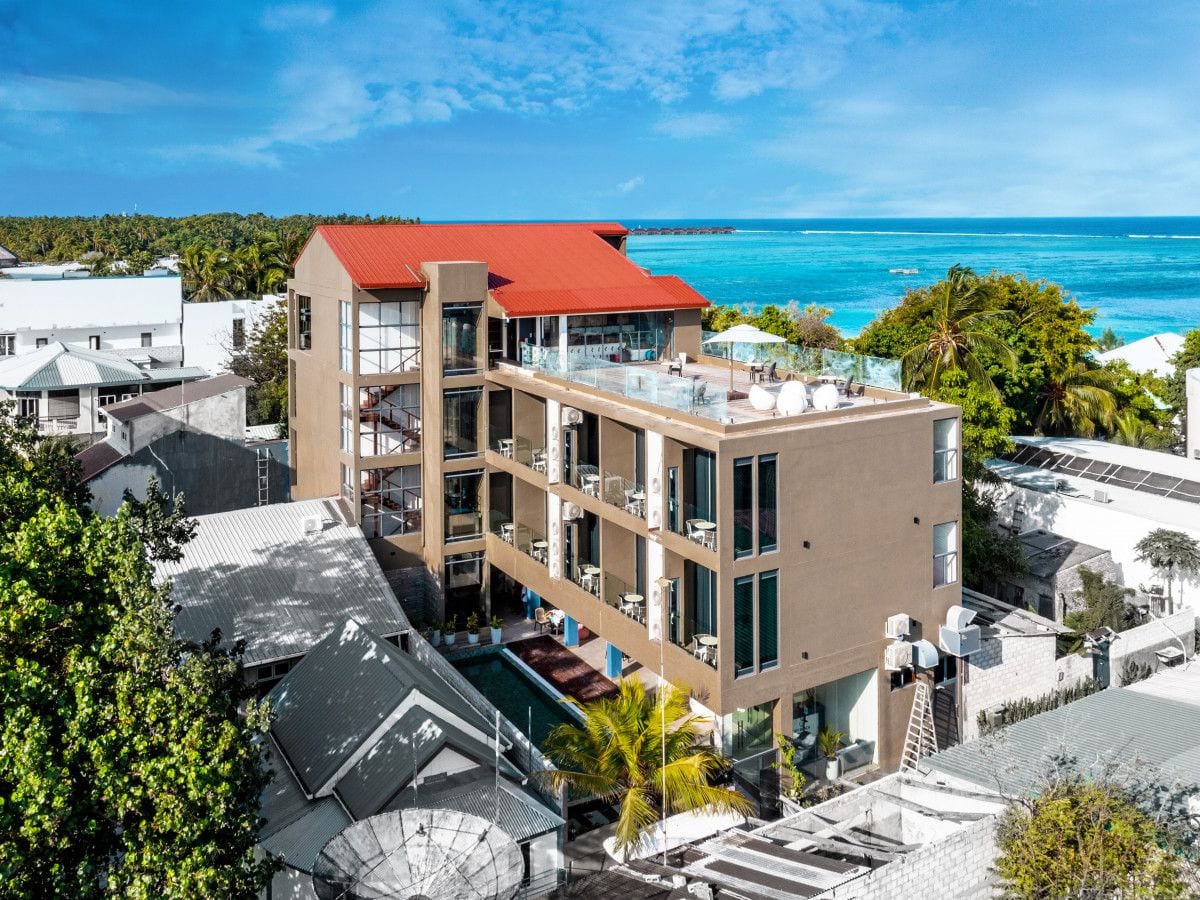
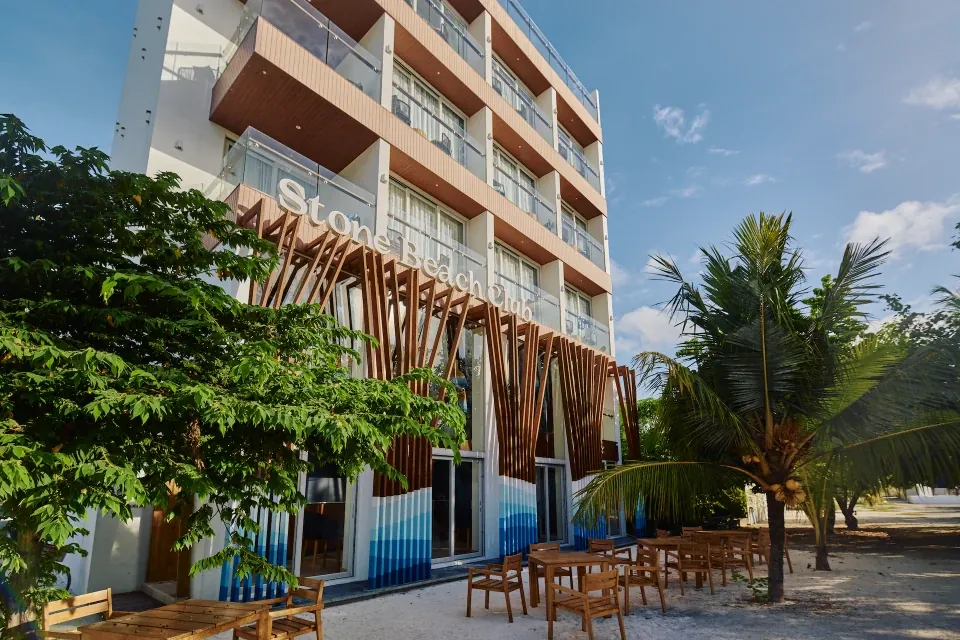
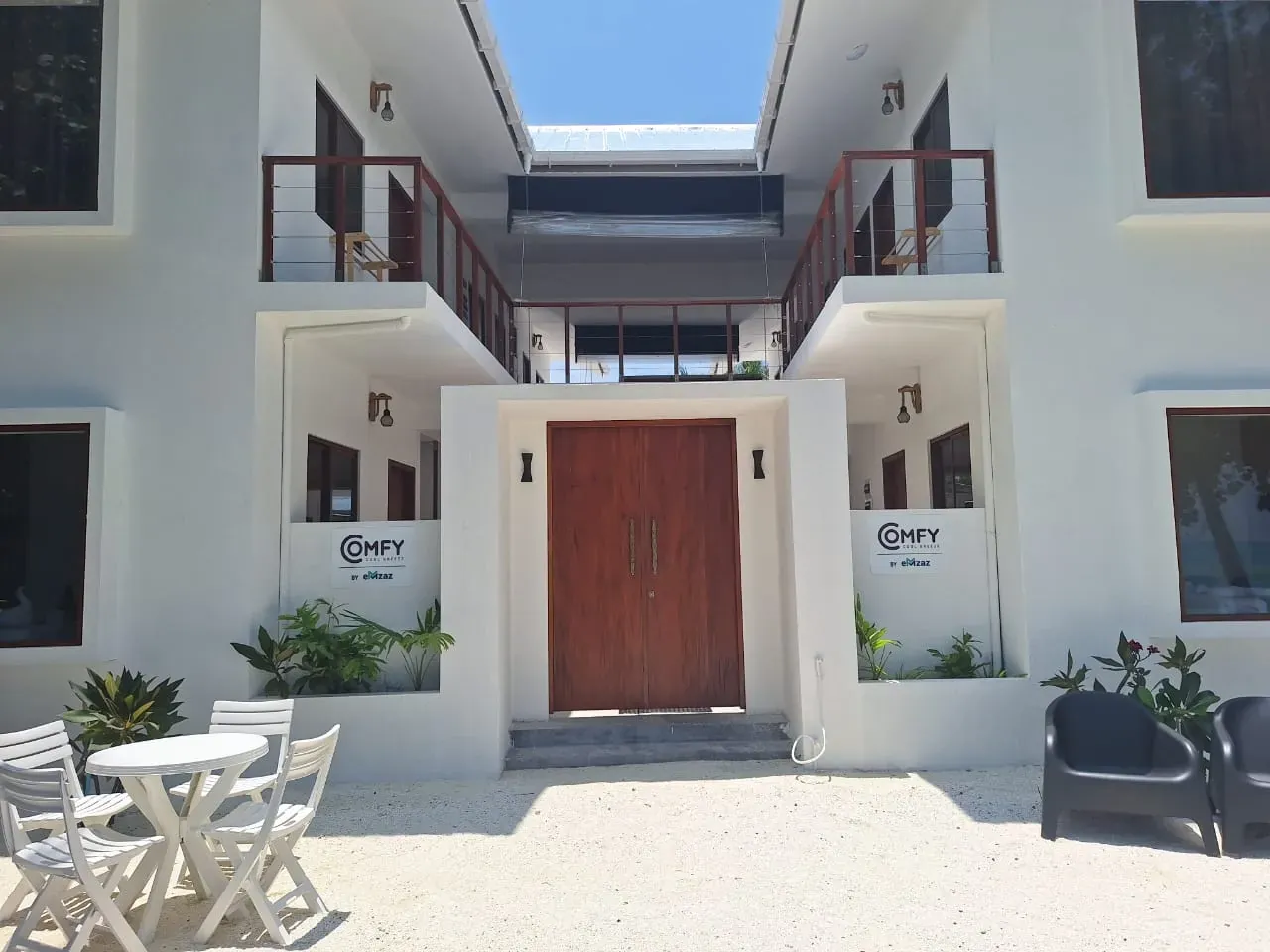
Our 2026 number one is Ameera Maldives, a ten-room family operation a short walk from the eastern bikini beach, with a kitchen that runs traditional Maldivian breakfasts, in-house whale-shark and desert-island excursions, and the consistently warm front-of-house that keeps it among the island's highest-rated stays. Stone Hotels Dhiffushi ranks second for travellers who want more amenities: an infinity pool, a fitness room and a proper spa.
How do I get to Dhiffushi from Malé?
Two options. The MTCC public ferry, route 308, leaves Malé once a day except Friday in the early afternoon and reaches Dhiffushi a little over two hours later, via Thulusdhoo; the fare is 22 rufiyaa, about US$1.50, cash only. Check the MTCC schedule closer to travel, as times shift seasonally. A shared speedboat cuts the crossing to around 40–45 minutes and costs around US$50 per person one way, and most guesthouses will book it for you. The public ferry leaves from Malé city, not the airport island, so factor in the short ferry hop from Velana International if you're arriving on an international flight; speedboat transfers can usually collect you at the airport.
Is Dhiffushi an inhabited island? What should I know about local customs?
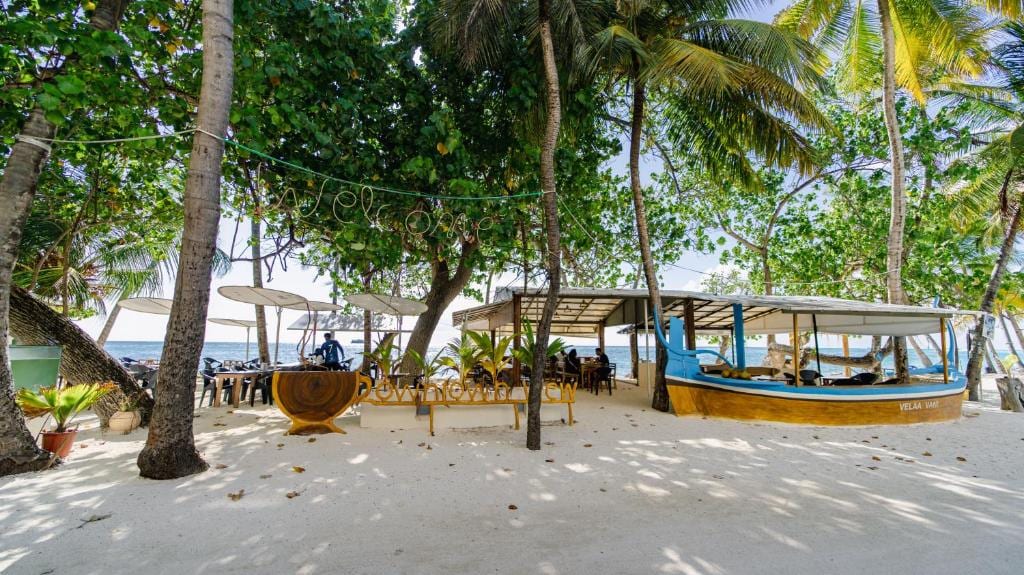
Yes, Dhiffushi is a working Maldivian community, not a resort island. In the village and at the harbour, modest dress is the norm: shoulders and knees covered. Swimwear is reserved for the designated bikini beach on the eastern shore. Alcohol is not available on the island itself; a small number of floating-bar boats operate offshore and some excursion operators include a stop, but expect nothing on-island. It is a genuinely low-key, local-island atmosphere, which is exactly what most guests here are looking for.
How does Dhiffushi compare to Maafushi?
Dhiffushi is quieter and less developed. Maafushi has a denser cluster of guesthouses, a more established excursion-boat fleet, and a broader range of restaurants and coffee shops, it moves faster. Dhiffushi suits travellers who want local-island pricing with noticeably less traffic and construction, though the trade-off is fewer eating options and a thinner excursion market. If a lively local-island hub is the point of the trip, Maafushi is the better call; if quieter suits you, Dhiffushi earns its reputation.
What excursions can I do from Dhiffushi?
The standard local-island excursion menu is well covered here: whale-shark snorkelling (seasonal in these waters, roughly May or June to November as plankton blooms draw them in, and year-round in South Ari Atoll, a long day trip away), nurse-shark and turtle snorkelling, sandbank picnics, sunset fishing, and desert-island day trips. Several guesthouses on this list run these in-house; others book through island operators. Hanifaru Bay, the UNESCO manta aggregation site in Baa Atoll, is a longer trip from Kaafu and is not a practical day excursion from Dhiffushi.
What does a night on Dhiffushi cost?
Guesthouses on this list generally run from around US$80 to US$200 per night for a double room with breakfast, depending on property and season. Stone Hotels Dhiffushi sits at the higher end of that range; budget picks like Noorani Retreat and Turtle Hive come in closer to the lower bound. These rates are typical for inhabited local islands in Kaafu Atoll, expect to pay meaningfully more during the peak December–April window.
When is the best time of year to visit Dhiffushi?
The dry northeast-monsoon season, roughly December through April, brings the calmest seas and clearest visibility for snorkelling. Rates and demand peak over the December–January holiday window. The southwest Hulhangu monsoon (May–November) is wetter and occasionally choppy but less crowded and cheaper, and for whale-shark encounters it is the productive season in these northern atolls. If construction noise on the island is a concern, there is no guaranteed quiet season; ask the guesthouse directly about the current state of neighbouring plots before booking.